Van Gogh's Medium Comparison Tool
Select a characteristic to see how Vincent approached it differently across his two most contrasting mediums.
The Final Statement
Thick, bold, and emotionally charged.
The Creative Blueprint
Rapid, translucent, and observational.
Click a medium above to explore the specific characteristics of Van Gogh's work.
Quick Highlights
- Van Gogh used watercolors primarily for studies and sketches, not as his primary medium.
- He often combined watercolors with ink, charcoal, or graphite.
- Most of his watercolor work appears in his early years and during his time in France.
- These works served as "blueprints" for his larger oil canvases.
The Role of Watercolors in Van Gogh's Process
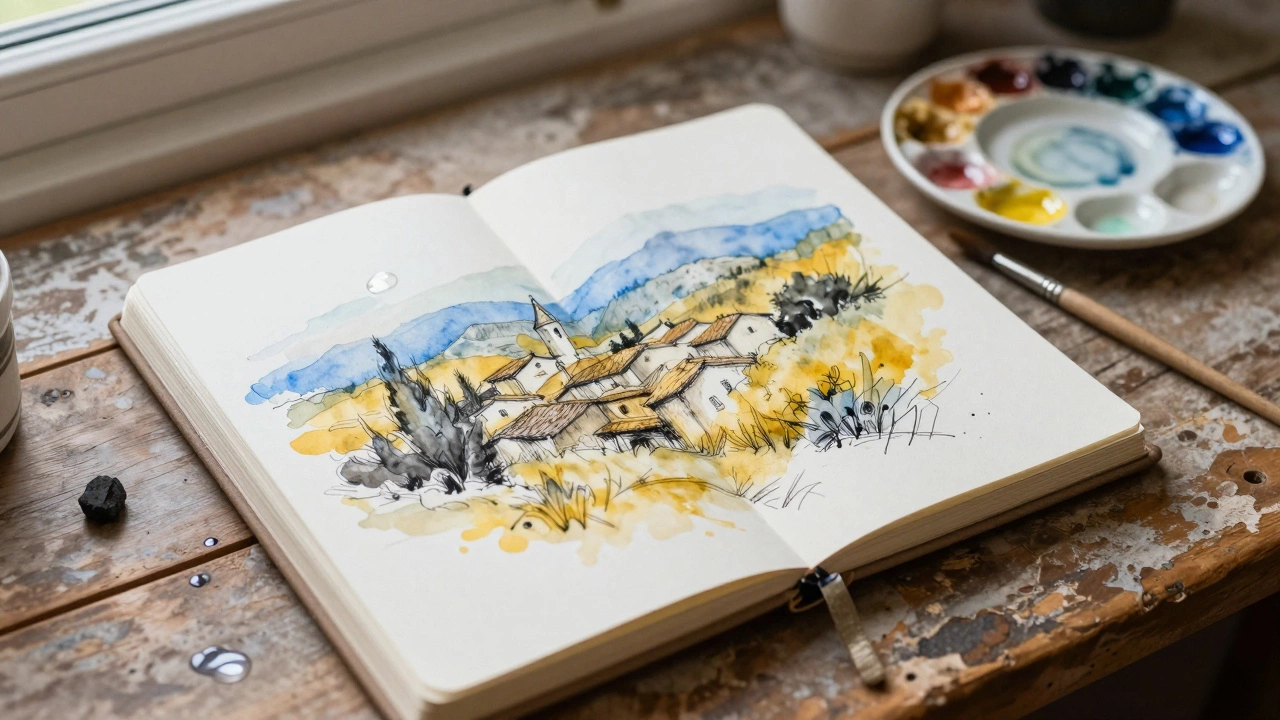
For Vincent, watercolor wasn't usually the final destination. He didn't treat it like the professional watercolorists of his time, who created standalone masterpieces in the medium. Instead, he used it as a tool for speed. Imagine him standing in a field in Provence; he couldn't lug around a heavy easel and oil paints every time he saw a shift in light. Watercolors allowed him to capture the mood and color palette of a scene instantly.
He frequently used a technique called mixed media. He would start with a sketch in graphite or charcoal and then wash over it with watercolor to define the shadows or the glow of a sunset. This wasn't about precision; it was about capturing the watercolor paintings energy before the moment passed. He was chasing the light, and water-based pigments were the fastest way to do it.
Early Experiments and the Dutch Period
If you look at his early days in the Netherlands, you'll see a very different Vincent. Before he discovered the vibrant colors of the South, he was obsessed with the grit of peasant life. During this time, he used watercolors to study the muted tones of the earth-browns, deep greens, and greys. These weren't just doodles; they were rigorous exercises in observation.
In these early works, he often used the medium to explore contrast. He would leave the white of the paper to represent a bright light source, a common trick in watercolor that contrasts sharply with his later oil technique where he would layer white paint (impasto) on top of the canvas. This period shows a man learning how to "see" color before he learned how to "explode" it.
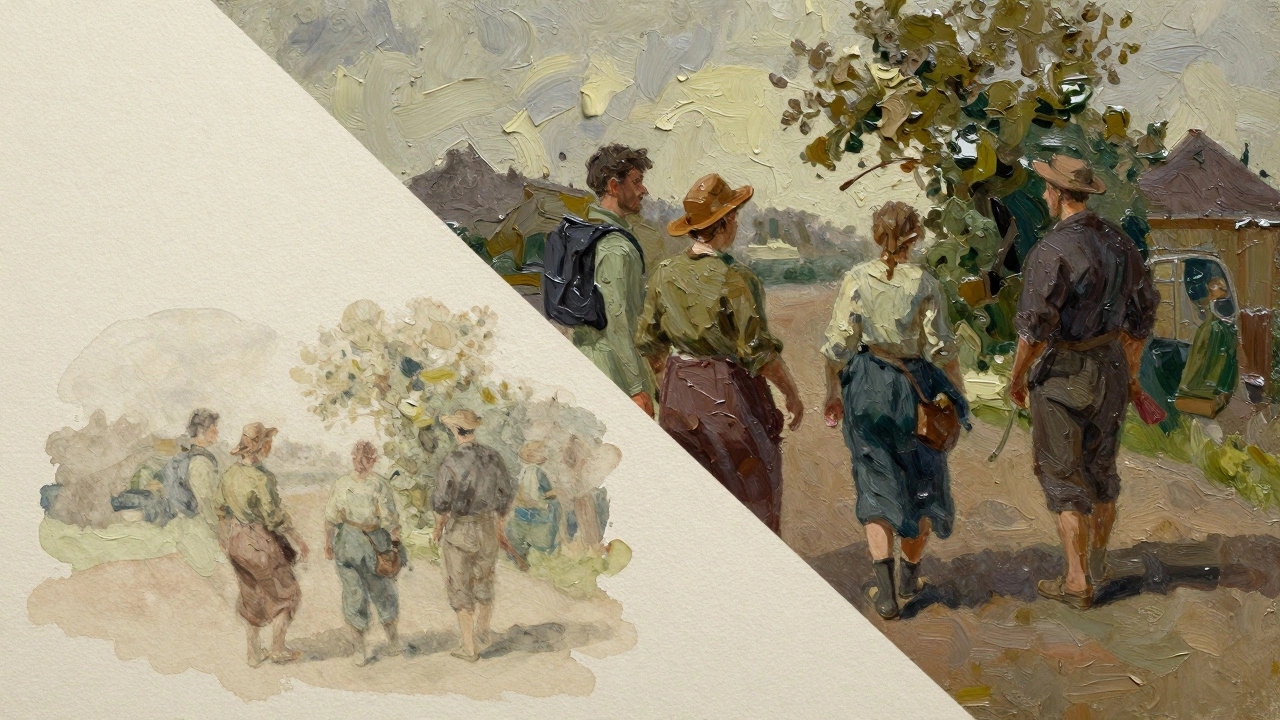
| Feature | Oil Paintings | Watercolor Works |
|---|---|---|
| Texture | Thick, physical (Impasto) | Flat, transparent washes |
| Purpose | Final emotional statement | Study, sketch, or draft |
| Speed | Slow drying, layered | Rapid execution |
| Color Intensity | Saturated and bold | Subtle and translucent |
The Transition to Post-Impressionism
As he moved toward Post-Impressionism, his relationship with color changed. He stopped using watercolors just to copy reality and started using them to express feeling. Even in his sketches, you can see the beginnings of those famous rhythmic lines. He would often use a reed pen for the outlines and then add a quick wash of color.
One of the most interesting things about his watercolor work is how it interacts with ink. By combining the two, he created a graphic quality that feels almost like a modern illustration. This balance between the rigid line of the ink and the fluid spread of the watercolor mirrored his own internal struggle between order and chaos.
Why He Didn't Stick to Watercolors
You might wonder why a man so talented with color didn't produce more watercolor masterpieces. The answer lies in his psychological need for intensity. Watercolors are, by nature, translucent. They allow light to pass through the pigment and bounce off the paper. Vincent didn't want light to pass through; he wanted the paint to *be* the light.
The physical act of applying oil paint was almost a cathartic release for him. He didn't just paint a flower; he sculpted it on the canvas. The delicacy of watercolor simply couldn't hold the weight of the emotions he was trying to convey. If he wanted to show the turbulence of a starry night, a thin wash of blue just wouldn't cut it-he needed the thick, tactile ridges of oil paint to create a sense of movement and vibration.
How to Spot a Genuine Van Gogh Watercolor
Because his watercolors are rare and often look like sketches, they are frequently overlooked or misidentified. A real Van Gogh watercolor usually exhibits a specific kind of urgency. Look for the "nervous" line work-short, repetitive strokes that suggest a hand moving quickly to capture a fleeting thought.
Another tell-tale sign is the integration of materials. He rarely used watercolor in a vacuum. If you see a piece that combines a watercolor wash with heavy graphite scribbles or ink cross-hatching, you're looking at his typical methodology. He wasn't interested in the "pretty" aesthetic of traditional watercolors; he was interested in the structure of the subject.
Connecting the Dots: From Sketch to Canvas
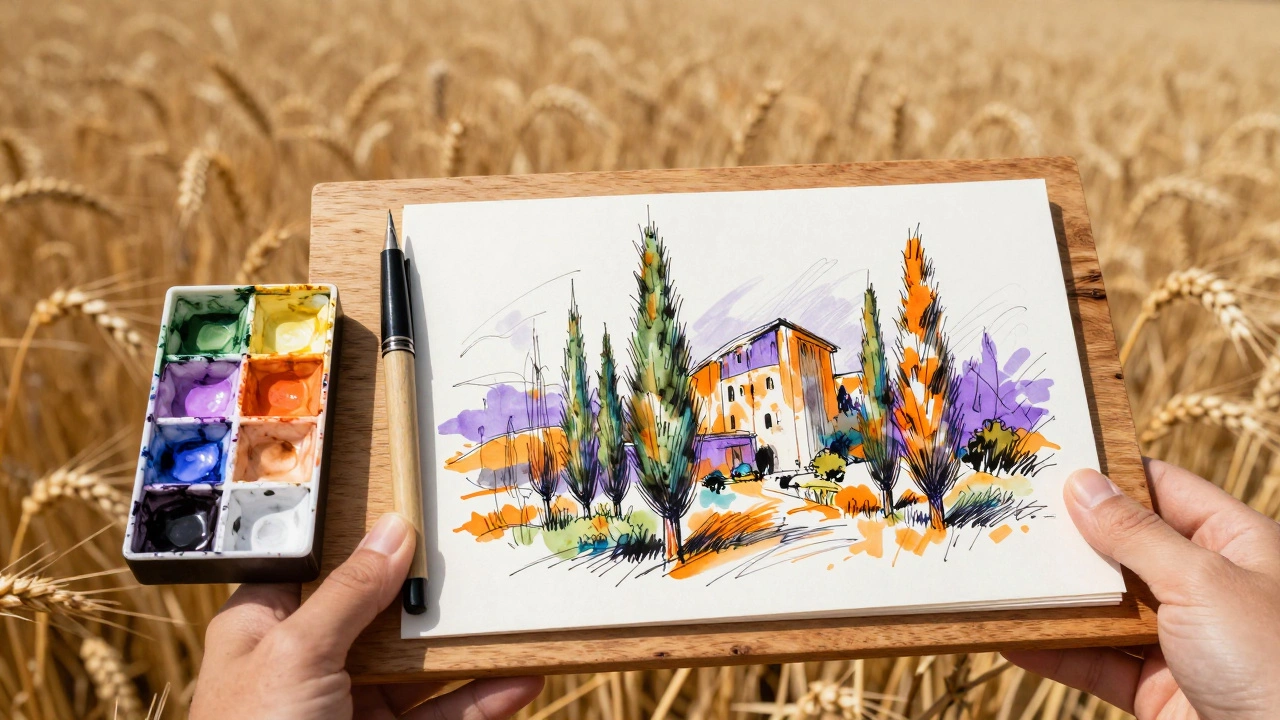
To understand his watercolors, you have to see them as the "first draft." Many of his most famous compositions were rehearsed in watercolor first. He would map out where the darks and lights would go, essentially creating a color map that he would later translate into oil. This process allowed him to experiment with bold color combinations-like placing a vibrant orange next to a deep blue-without wasting expensive oil paints or spending days waiting for a layer to dry.
This iterative process is why his final works feel so confident. The confidence didn't come from a single burst of inspiration, but from the hours spent sketching with graphite and watercolor in the fields of Arles. His watercolors were the laboratory where he perfected the visual language of modern art.
Did Vincent van Gogh sell his watercolor paintings?
Generally, no. Van Gogh struggled to sell almost any of his work during his lifetime, and his watercolors were viewed as studies or sketches rather than finished products. He didn't market them as independent artworks for sale.
Where can I see his watercolor works today?
Most of his drawings and watercolors are held in major institutions like the Van Gogh Museum in Amsterdam and the Musée d'Orsay in Paris. They are often grouped with his drawings rather than his main oil painting galleries.
Is watercolor considered a major medium for Post-Impressionists?
For many, it was a secondary tool. While artists like Paul Cézanne used it more extensively for exploration, the movement's hallmark was the shift toward bold, opaque colors and distorted forms, which were better achieved through oils or pastels.
What is the difference between a wash and a watercolor painting?
A "wash" is a thin, transparent layer of paint applied to a surface to create a tone or a background. Van Gogh often used watercolor washes over his ink drawings, whereas a "watercolor painting" is typically a full composition where the medium is the primary focus.
Did he use watercolors in his later years in Auvers-sur-Oise?
Yes, but he continued to use them primarily for rapid sketches. Even in his final weeks, he used quick sketches to organize his thoughts before committing to the intense, high-pressure environment of his final oil canvases.
Next Steps for Art Lovers
If you're fascinated by Van Gogh's process, try looking into his letters to his brother Theo. He often describes the materials he's using and the frustration of finding the right shade of yellow. You might also want to explore the works of Paul Gauguin, who shared a complicated relationship with Vincent and also experimented with varying mediums to achieve a flatter, more symbolic look.
For those who want to try his approach, start with a simple ink pen and a basic set of watercolors. Don't worry about making a "perfect" painting. Instead, try to capture the movement of a tree or the mood of a room using quick, decisive strokes. Remember, for Vincent, the goal wasn't a pretty picture-it was an honest expression of life.
