Art Print Size Calculator
Find Your Best-Selling Size
Based on 2026 market data from Etsy, Society6, and Saatchi Art
Recommended Size
Why This Size Works
When you’re selling art prints, size isn’t just about how big the image looks on your wall-it’s about what buyers actually want to hang in their homes. Too small, and it gets lost. Too big, and it won’t fit. The truth? Certain sizes sell far more than others, and it’s not random. It’s tied to real homes, real walls, and real buying habits.
Most Popular Art Print Sizes
The top-selling art print sizes in 2026 are all based on standard frame availability and how people actually decorate. You won’t find many buyers hunting for 11x17 or 16x24 unless they’re collectors. Instead, the winners are the sizes that fit perfectly into off-the-shelf frames from IKEA, Framebridge, or local framing shops.
The three most common sizes are:
- 8x10 inches - Small, affordable, and perfect for shelves, desks, or grouped on a gallery wall.
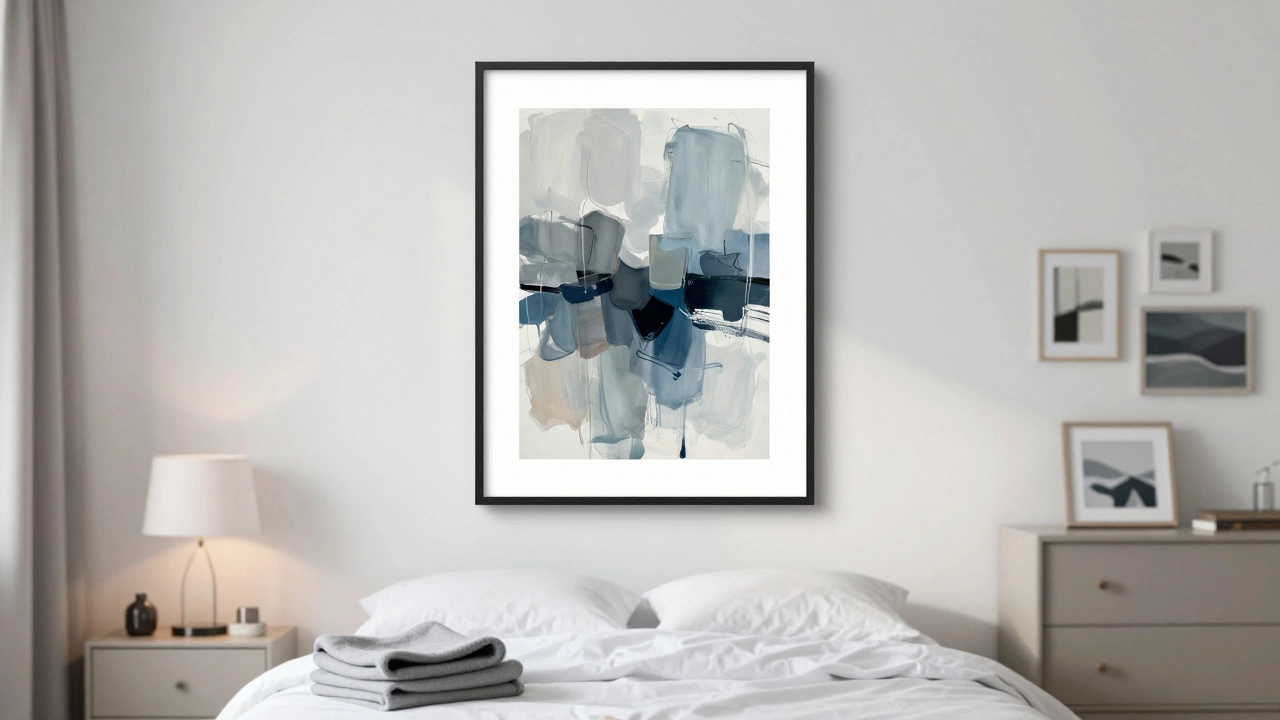
- 11x14 inches - The sweet spot. Big enough to make a statement, small enough to fit above a couch or bed without overwhelming the space.
- 16x20 inches - The go-to for living rooms, hallways, and home offices. It’s the size that feels substantial without needing custom framing.
These three sizes account for nearly 70% of all art print sales online, according to data from Etsy, Saatchi Art, and Society6 in 2025. Buyers don’t want to hunt for a frame. They want to open the box, hang it up, and move on.
Why These Sizes Work
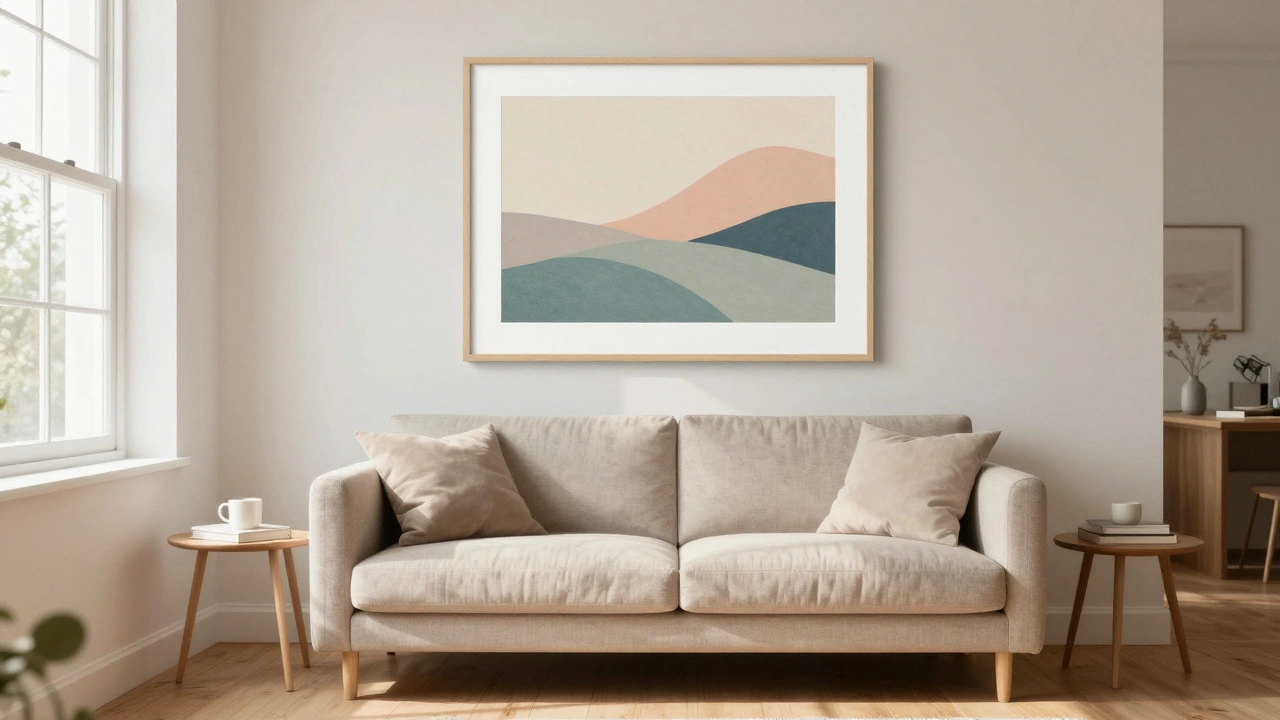
It’s not about what looks best to you-it’s about what fits in the average home. In the UK, the typical living room wall is 10 to 12 feet wide. A 16x20 print, hung at eye level, leaves room for a side table or lamp beside it. An 11x14 fits neatly above a standard 60-inch sofa. Even in small flats, these sizes work.
Compare that to a 24x36 print. It needs a 3-foot-wide wall, a heavy-duty hanger, and often custom framing. Most buyers aren’t ready for that commitment. They’re testing the waters with art. They want to try a style, a color, a mood-without renovating their whole room.
Also, shipping costs matter. A 16x20 print fits in a standard flat-rate mailer. A 24x36 needs a tube, extra padding, and higher postage. That’s a $10-$15 difference per order. Sellers who stick to standard sizes save money and reduce returns from damaged prints.
What About Larger Sizes?
Larger prints-like 20x30 or 24x36-do sell, but only in specific cases. They’re popular with:
- Buyers who already own a home with high ceilings or large blank walls
- People buying for corporate offices or waiting rooms
- Collectors who want a single statement piece
If you’re selling larger sizes, you need to be more intentional. Show them in room mockups. Mention that they require professional hanging. Offer free framing consultation. Otherwise, they’ll sit in the cart.
One seller in Bristol noticed her 24x36 abstract prints were selling only to customers who had previously bought an 11x14 from her. That’s a clue: people start small, then upgrade. So, make it easy for them to move up your collection.
What About Square Prints?
Square prints (like 12x12 or 16x16) are growing in popularity, especially among younger buyers and those decorating modern or minimalist spaces. They work well in groupings-three in a row, or a 2x2 grid. Instagram-friendly, too.
But here’s the catch: square frames are less common in stores. Most off-the-shelf frames are rectangular. That means buyers either have to buy custom frames or hunt online. That extra step kills sales.
If you want to sell squares, bundle them with a frame. Offer a 12x12 print + ready-made frame for £25. That’s a no-brainer for someone scrolling on their phone at 11pm.
What Sizes Don’t Sell
Some sizes are dead zones. Avoid these unless you have a very specific audience:
- 5x7 inches - Too small. Feels like a greeting card, not art.
- 10x12 inches - Weird ratio. No standard frames. Confusing for buyers.
- 18x24 inches - Almost never fits standard frames. Too big for small spaces, too small for large ones.
- 30x40 inches - Requires professional shipping and hanging. Only sell if you’re targeting galleries or luxury clients.
These sizes don’t fail because the art is bad. They fail because they create friction. Buyers don’t want to solve a puzzle before they can enjoy the art.
How to Price Based on Size
Price isn’t just about cost-it’s about perceived value. Here’s what’s working in 2026:
- 8x10 - £15-£25
- 11x14 - £25-£40
- 16x20 - £40-£65
- 20x30 - £75-£120
- 24x36 - £100-£180
Notice the jump between 16x20 and 20x30? That’s where buyers start thinking, “This is an investment.” That’s fine. But if you price an 11x14 at £60, you’ll scare people away. People expect to pay more for bigger, but not proportionally more.
Bundle small prints. Offer a set of three 8x10s for £45. That’s a better deal than buying them separately, and it encourages multiple sales.
What Buyers Really Want
Most people aren’t buying art to show off. They’re buying it to feel something. A calming landscape. A bold abstract. A quote that reminds them of home. Size helps them do that without stress.
Think of it like buying a phone case. You don’t want a case that’s too loose or too tight. You want one that fits your phone perfectly. Art prints are the same. Buyers want the size that fits their space perfectly.
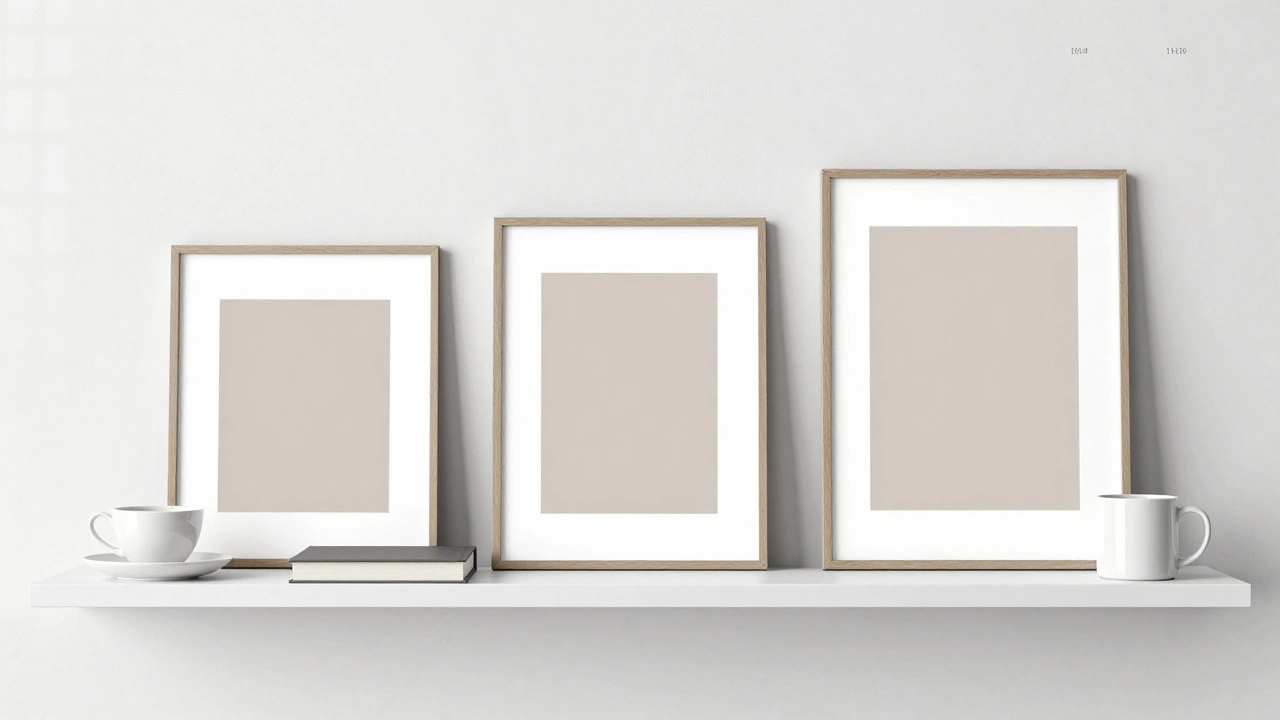
Don’t assume they know what size to pick. Show them. Include a room photo with your print sized up. Add a ruler or a common object next to it (like a coffee mug or a book) so they can visualize it. That simple trick increases conversion by up to 30%, according to a 2025 study by Printful’s design team.
Pro Tips for Higher Sales
- Always list the size in inches and centimeters. UK buyers expect cm.
- Use the word "ready to hang" in every listing. It removes doubt.
- Offer matte or glossy finishes. Matte sells better for modern art; glossy works for photography.
- Don’t sell unframed prints unless you’re targeting artists or collectors. Most buyers want to hang it the day it arrives.
- Test one new size every quarter. Maybe try 14x18 next. Track sales. If it doesn’t move, drop it.
One artist in Bristol started selling 16x20 prints in a soft pastel palette. Within three months, they became her bestseller. Why? The size fit her audience’s homes. The color matched their existing decor. The price was under £50. It wasn’t magic. It was matching the right product to the right need.
Final Rule: Stick to the Standards
You don’t need to be original with size. Be original with your art. The frame doesn’t have to be custom. The paper doesn’t have to be handmade. The size just has to be familiar.
Buyers aren’t looking for a challenge. They’re looking for a piece of art that feels like it belongs. The right size makes that happen before they even click "Buy."
What size art prints sell the most online?
The most popular sizes online are 8x10 inches, 11x14 inches, and 16x20 inches. These fit standard frames, ship affordably, and suit most home spaces. Together, they make up nearly 70% of all art print sales on platforms like Etsy and Society6.
Is 16x20 too big for a bedroom?
No, 16x20 is ideal for a bedroom. It’s large enough to be a focal point above a bed or dresser but small enough to avoid overwhelming the space. It’s the most common size for bedroom art because it balances impact and comfort.
Should I sell framed or unframed art prints?
Sell framed unless you’re targeting artists or collectors. Most buyers want to hang the print the day it arrives. Unframed prints require extra effort-finding a frame, buying hardware, hanging it-which reduces conversion. Offer framed options at a small markup.
Do square prints sell well?
Square prints like 12x12 and 16x16 are growing in popularity, especially among younger buyers and for gallery walls. But they sell less than rectangles because standard frames are rare. To boost sales, bundle them with a ready-made frame.
What’s the best way to show size in product photos?
Place the print next to a common object like a coffee mug, a book, or a hand. Use a ruler or tape measure in the corner. Show it on a wall in a realistic room setting. Buyers need to visualize scale-don’t rely on them to guess.
Are custom sizes worth offering?
Only if you’re targeting a niche audience, like interior designers or luxury buyers. For most sellers, custom sizes increase costs, slow shipping, and confuse buyers. Stick to standard sizes until you have a clear reason to expand.
Start with the sizes that work. Perfect your art. Then, slowly test new options. The market rewards consistency-not novelty-in print sizes.
