Fine art photography isn’t just taking pictures. It’s about making images that speak like paintings, tell stories like poems, and carry emotion like music. Unlike snapshots or commercial shots, fine art photography is driven by vision-not function. It’s created because the artist feels something needs to be seen, not because someone paid them to document it.
Where Did Fine Art Photography Begin?
The movement didn’t start with digital cameras or Instagram filters. It began in the 1850s, when photographers like William Henry Fox Talbot and Julia Margaret Cameron started pushing the limits of what the camera could do. At the time, most people saw photography as a mechanical tool-useful for portraits, maps, or scientific records. But these early pioneers asked: Can a photograph be beautiful? Can it express feeling?
Cameron’s portraits, with their soft focus and dramatic lighting, looked more like Renaissance paintings than technical records. Talbot’s calotypes showed landscapes not just as places, but as moods. They weren’t trying to capture reality exactly. They were trying to capture meaning.
By the late 1800s, groups like the Photo-Secession in the U.S., led by Alfred Stieglitz, fought hard to get photography accepted in art galleries. Stieglitz opened the famous 291 gallery in New York and showed photographs alongside works by Picasso and Rodin. He didn’t just take pictures-he built a case. And slowly, the art world listened.
What Makes a Photo ‘Fine Art’?
There’s no checklist. No rule that says you need a certain lens or filter. But there are patterns. Fine art photography usually has:
- A clear personal vision-something the photographer feels deeply about
- Intentional composition-not just what’s in frame, but how it’s arranged
- Emotional weight-something that lingers after you look away
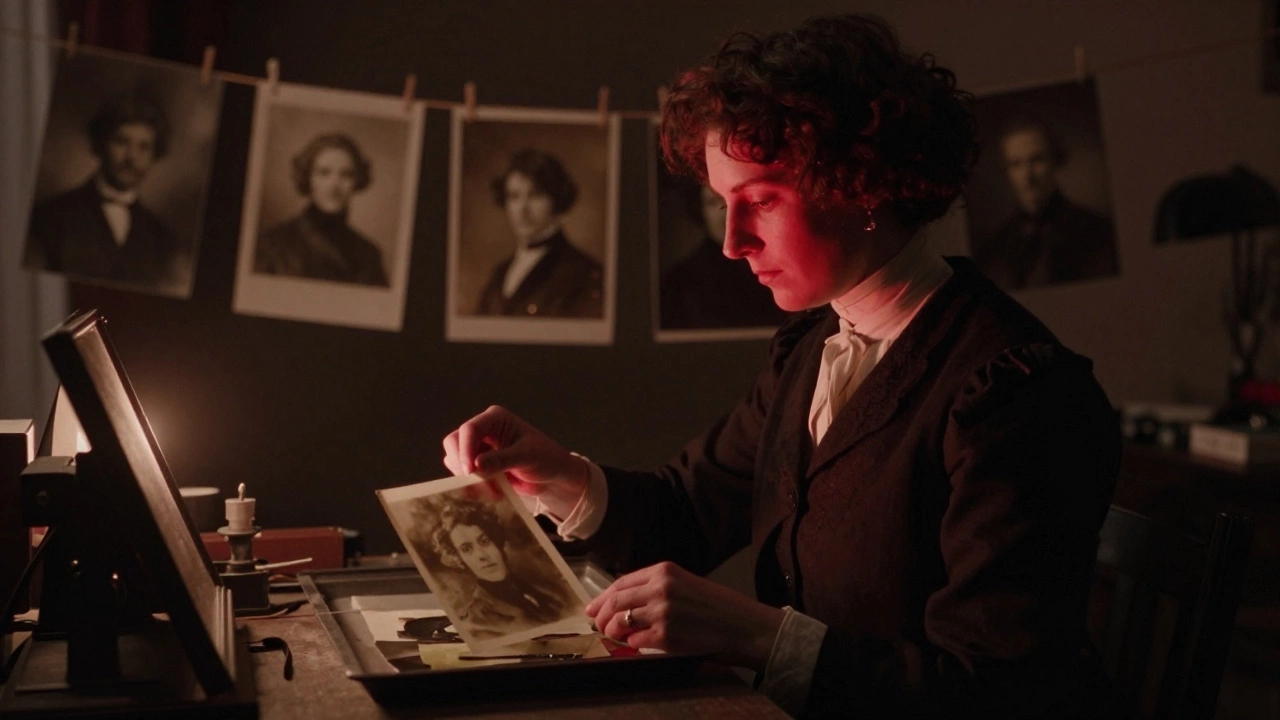
- Handcrafted production-often printed by the artist, using processes like platinum printing, gum bichromate, or darkroom manipulation
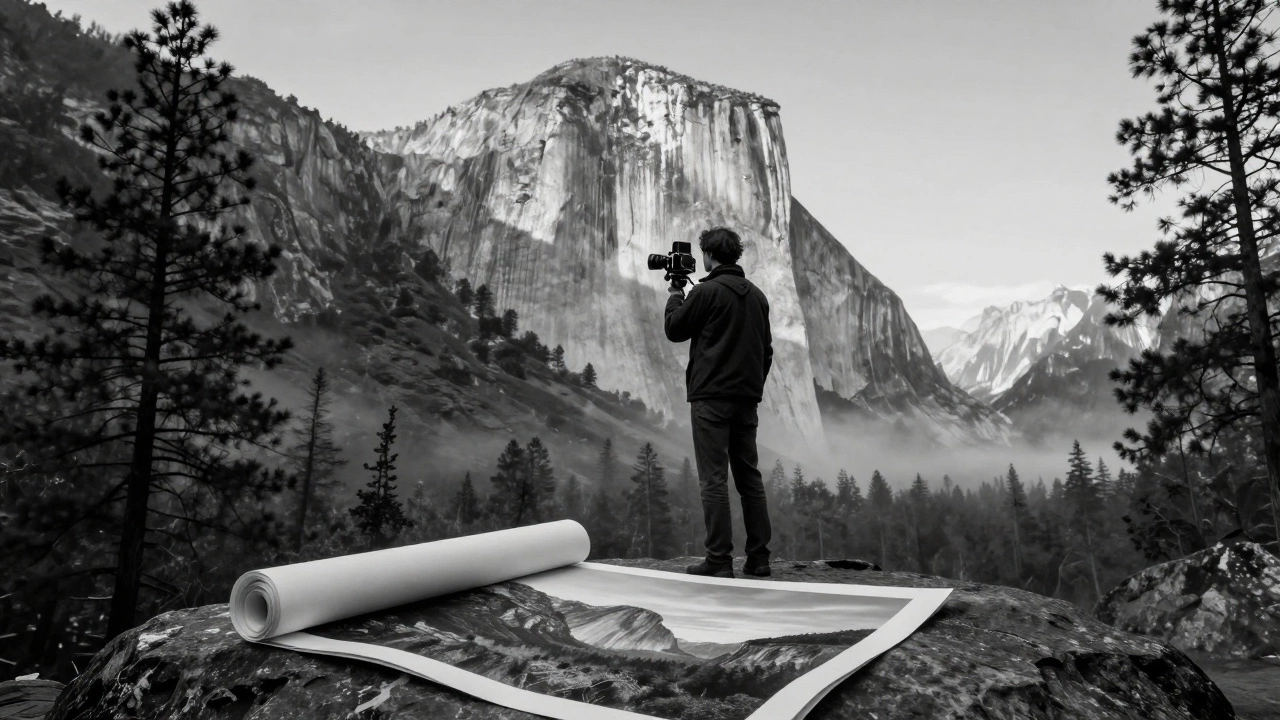
Think of Ansel Adams’ black-and-white landscapes. They’re not just pictures of mountains. They’re meditations on silence, scale, and time. Or Diane Arbus’ portraits of outsiders-raw, unsettling, and strangely tender. These aren’t documents. They’re statements.
Modern fine art photographers still use film. Many still mix chemicals in darkrooms. But others use digital tools the same way painters use brushes-selectively, thoughtfully. The medium doesn’t matter. The intention does.
How Is It Different From Other Types of Photography?
Let’s break it down:
| Aspect | Fine Art Photography | Commercial Photography | Documentary Photography | Snapshot Photography |
|---|---|---|---|---|
| Purpose | Express emotion, idea, or vision | Sell a product or service | Record reality or tell a factual story | Capture a moment casually |
| Subject Control | High-staged, arranged, manipulated | High-directed by client needs | Low-found, unposed | None-spontaneous |
| Production | Often handmade, limited editions | Mass-produced, optimized for reproduction | Printed for publication or archive | Shared digitally, no editioning |
| Value | Based on artist’s reputation, uniqueness | Based on usage rights | Based on historical or journalistic significance | Minimal or sentimental |
The key difference? Fine art photography asks you to feel. Commercial photography asks you to buy. Documentary asks you to understand. Snapshots ask you to remember. Only fine art asks you to wonder.
Key Figures in the Movement
Several photographers shaped fine art photography into what it is today:
- Man Ray-Used solarization and rayographs to turn photos into surreal dreamscapes.
- Edward Weston-Turned peppers, shells, and dunes into abstract sculptures of light and form.
- Lee Friedlander-Used reflections, shadows, and frames within frames to challenge how we see space.
- Sally Mann-Made haunting images of her children and the American South, blending beauty with unease.
- Gregory Crewdson-Staged elaborate scenes that look like stills from psychological movies.
Each of them broke rules. They didn’t follow lighting guides or composition formulas. They followed their instincts. And in doing so, they proved that a photograph could be as complex and layered as a novel.
How Is Fine Art Photography Made Today?
Modern fine art photographers work in many ways. Some still use large-format film cameras and hand-coat emulsions. Others shoot digitally and print on archival paper with pigment inks. Some combine photography with painting, collage, or digital manipulation.
But the process always starts with a question: Why this image? Why now?
Take the work of contemporary artist Cindy Sherman. She doesn’t photograph real people. She becomes them-using costumes, makeup, and sets to create characters that comment on identity, gender, and media. Her photos aren’t records. They’re performances captured on film.
Another example: photographer Michael Kenna uses long exposures to turn cityscapes into ghostly silhouettes. He shoots at dawn, often in the same locations for years. His images aren’t about capturing a moment-they’re about capturing stillness.
What ties them together? Control. Patience. Intention. The final print is often limited to 10, 20, or 50 copies. Each one is signed and numbered. That’s not just marketing. It’s a statement: this is art, not mass production.
Where Do You See Fine Art Photography Today?
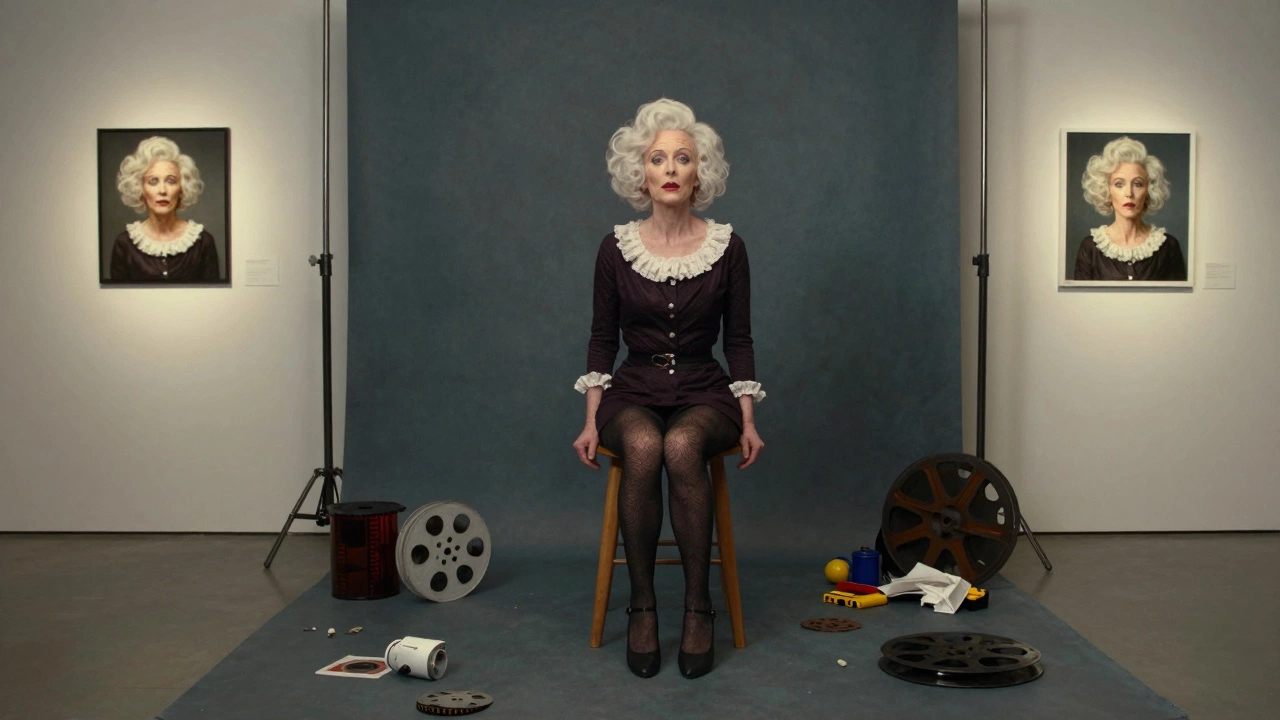
You won’t find it in your local drugstore’s photo booth. You’ll find it in museums-MoMA, Tate Modern, the Getty. You’ll see it in gallery shows, art fairs like Photo London, and in books that cost hundreds of pounds.
Collectors buy fine art photographs the same way they buy paintings. A print by Irving Penn can sell for over $100,000. A single print by Andreas Gursky has gone for more than $4 million. That’s not because the camera was expensive. It’s because the vision behind it was rare.
Even social media has changed the landscape. Platforms like Instagram have made it easier for emerging artists to share work-but also harder to stand out. The most successful fine art photographers today don’t just post images. They build worlds. They write about their process. They connect their work to history, philosophy, or politics.
Why Does It Matter?
In a world flooded with images-selfies, ads, viral clips-fine art photography reminds us that not every picture needs to be seen. Some need to be felt. Some need time. Some need silence.
It’s a rebellion against speed. Against noise. Against the idea that everything must be shared, liked, and forgotten.
When you stand in front of a fine art photograph, you’re not just looking at a subject. You’re looking into the mind of someone who saw the world differently-and chose to show you how.
Is fine art photography the same as artistic photography?
Yes, they’re used interchangeably. Both refer to photography created primarily for aesthetic or expressive purposes, rather than for documentation or commercial use. "Fine art photography" is the more formal term used in galleries and museums, while "artistic photography" is often used in casual conversation.
Do you need expensive gear to make fine art photography?
No. A $50 smartphone can produce a fine art image if the vision behind it is strong. What matters is how you see, not what you see through. Many acclaimed fine art photographers started with basic equipment. What they had was patience, curiosity, and a clear reason for making each image.
Can anyone call their photos fine art?
Technically, yes. But the art world doesn’t accept every claim. What gives a photo legitimacy is context: how it’s presented, how it’s printed, whether it’s part of a body of work, and whether it’s been shown in galleries or collected. It’s not about labeling-it’s about dialogue with history and intention.
Is digital photography considered fine art?
Absolutely. Digital tools are just another medium-like oil paint or charcoal. Photographers like Jeff Wall and Thomas Ruff use digital manipulation to create images that couldn’t exist in the physical world. What matters is whether the final image reflects a deliberate, personal vision-not the tools used to make it.
How do you start making fine art photography?
Stop chasing perfect exposure or composition. Start asking: What do I care about? What do I want to say? Then make images that answer that. Shoot regularly, edit ruthlessly, and study the work of photographers who moved you. Don’t copy them-learn from how they thought. Your voice will emerge when you stop trying to impress and start trying to express.
What Comes Next?
Fine art photography isn’t dying. It’s evolving. With AI-generated images flooding the internet, the value of human intention has never been clearer. A photograph made by a person who sat in the rain for hours waiting for the right light carries something no algorithm can replicate: presence.
The future of fine art photography lies in those who still believe that a single image can hold silence, memory, and meaning. It’s not about being the best technician. It’s about being the most honest.