Casting Sculpture: How It Works, Why It Matters, and What Artists Need to Know
When you think of casting sculpture, a process where molten or liquid material is poured into a mold to create a three-dimensional form. Also known as lost-wax casting, it’s one of the oldest and most reliable ways to make durable, detailed sculptures—from ancient bronzes to modern public art. Unlike carving or modeling, casting doesn’t require you to shape the final piece by hand. Instead, you build a mold and let the material do the work. That’s why it’s so popular for artists who want to make multiples, capture fine textures, or work with metals like bronze, aluminum, or even resin.
There are three main ways to make sculpture: additive sculpting, building up material layer by layer, like clay modeling, subtractive sculpting, chipping away material, like carving stone or wood, and casting sculpture, pouring material into a mold to form the shape. Each has its own strengths. Additive lets you experiment freely. Subtractive gives you raw, tactile results. Casting gives you precision and repeatability. If you’ve ever seen a bronze statue in a park or a detailed figurine in a gallery, there’s a good chance it was made through casting. It’s the method behind most of the fine art sculptures you’ve admired without realizing how they were made.
What makes casting sculpture special isn’t just the technique—it’s what it enables. Artists can collaborate with foundries, test ideas in clay first, then reproduce the same piece in different sizes or materials. It’s how a small wax model becomes a life-size monument. It’s how a single mold can produce ten copies for a group show. And it’s why many artists who work with complex forms—like human figures, animals, or intricate patterns—choose casting over other methods. You don’t need to be a master carver to get stunning detail. You just need a good mold and the right material.
It’s not just about metal, either. Today, artists use plaster, silicone, resin, and even concrete for casting. The process has evolved, but the core idea hasn’t changed: capture a form, then replicate it. Whether you’re a beginner trying your first mold or a seasoned artist planning a large-scale exhibition, understanding casting sculpture helps you make smarter choices about materials, time, and budget. And if you’ve ever wondered how a sculpture ends up looking so perfect, or how the same piece shows up in three different cities, now you know.
Below, you’ll find real guides and insights from artists and professionals who’ve walked this path. From choosing the right mold material to avoiding common casting mistakes, these posts give you the practical knowledge you won’t find in textbooks. No fluff. Just what works.
5 Nov 2025
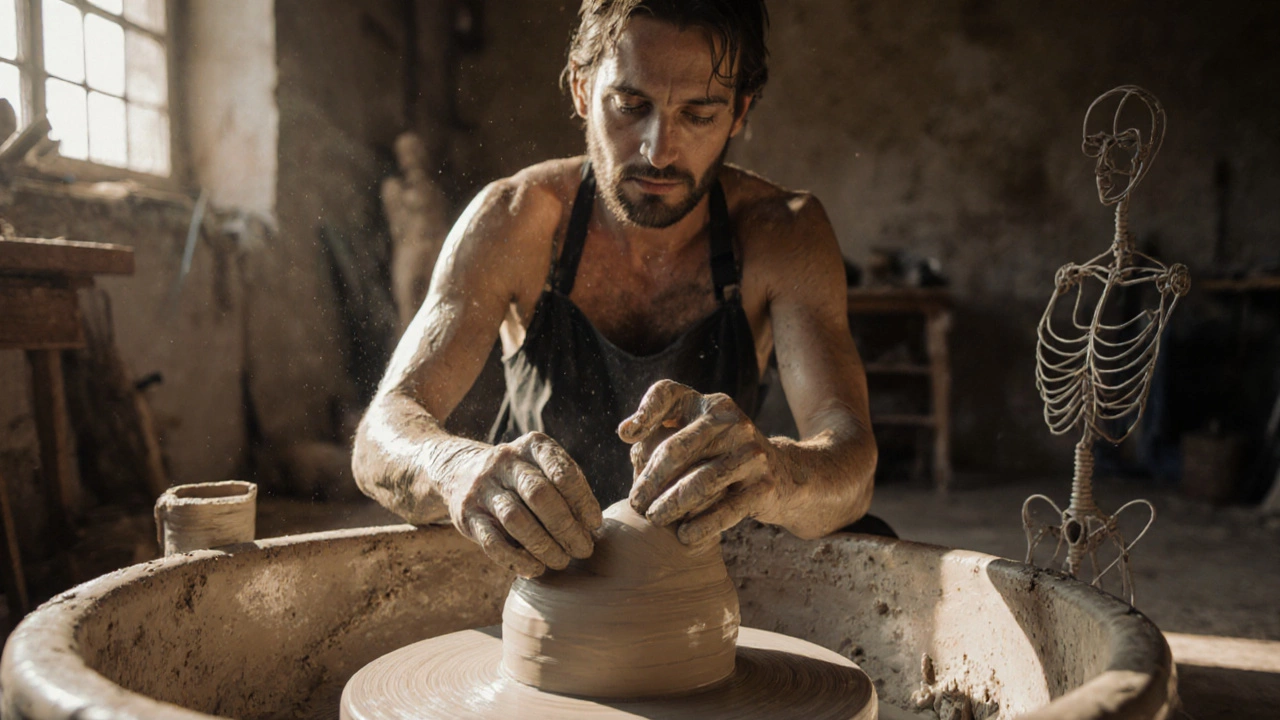
Learn the four fundamental sculpting methods-additive, subtractive, modeling, and casting-that artists use to create three-dimensional art. Understand how each works, which materials they use, and why they still matter today.
Continue reading...